We are not fully satisfied with current views of how life works.
We see a fundamental gap: Molecular processes are understood in remarkable detail in isolation;
yet inside a cell, they function collectively,
with an extraordinary degree of coordination that current frameworks do not fully grasp. This is prodigious.
We start from the bottom: single molecules, where individual events can be directly observed. From there, we work upward in scale, asking how molecular
interactions build into the organized complexity of living systems, and how, when this organization fails, disease arises.
What we like to do
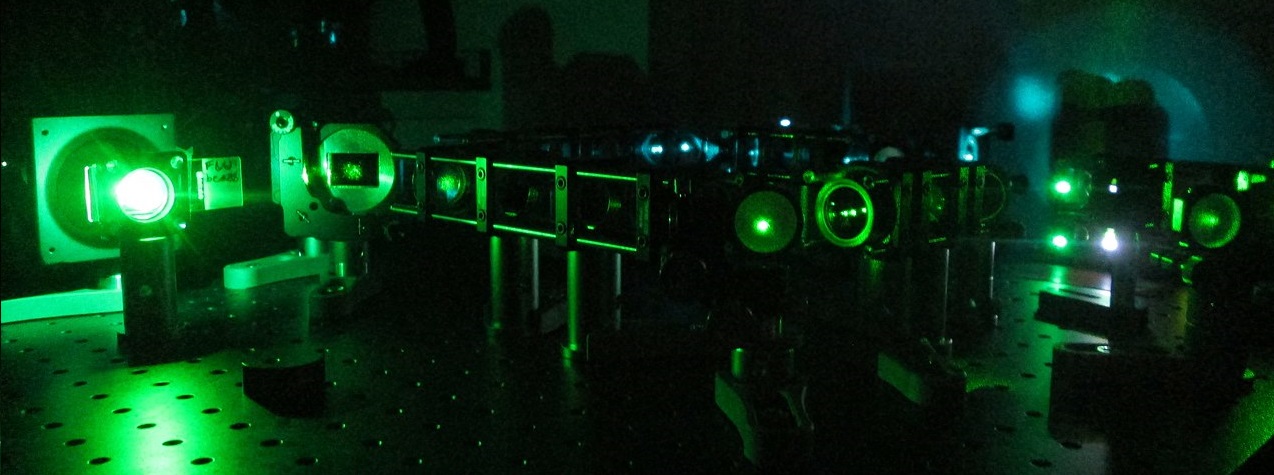
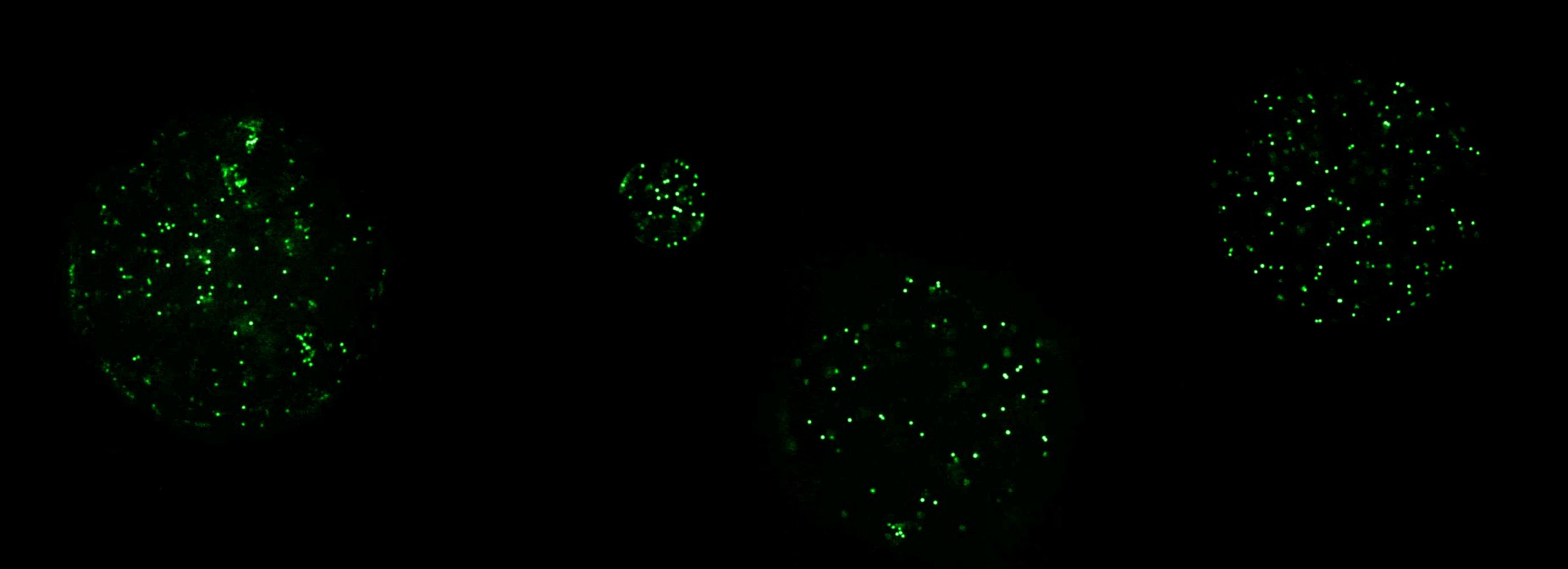
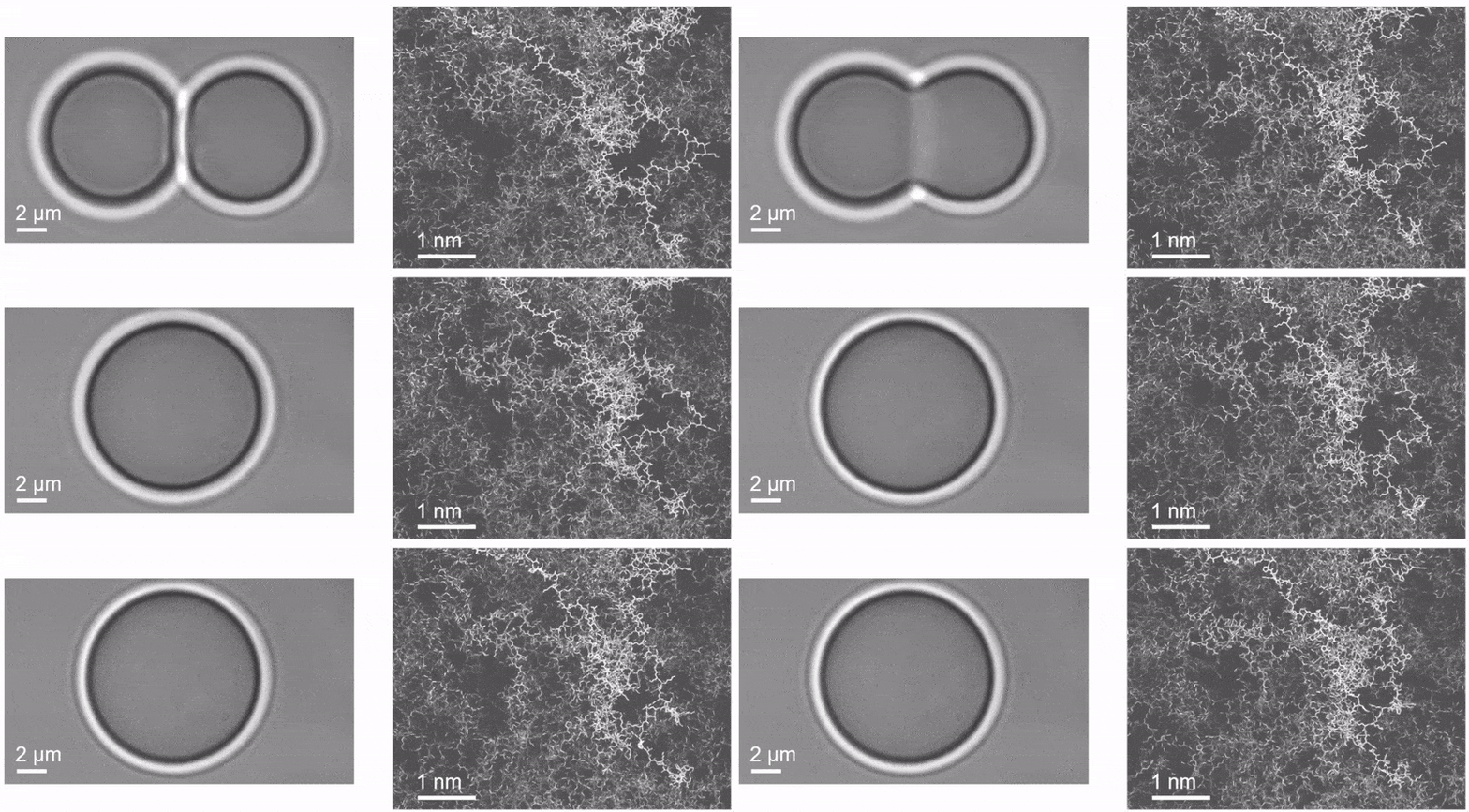
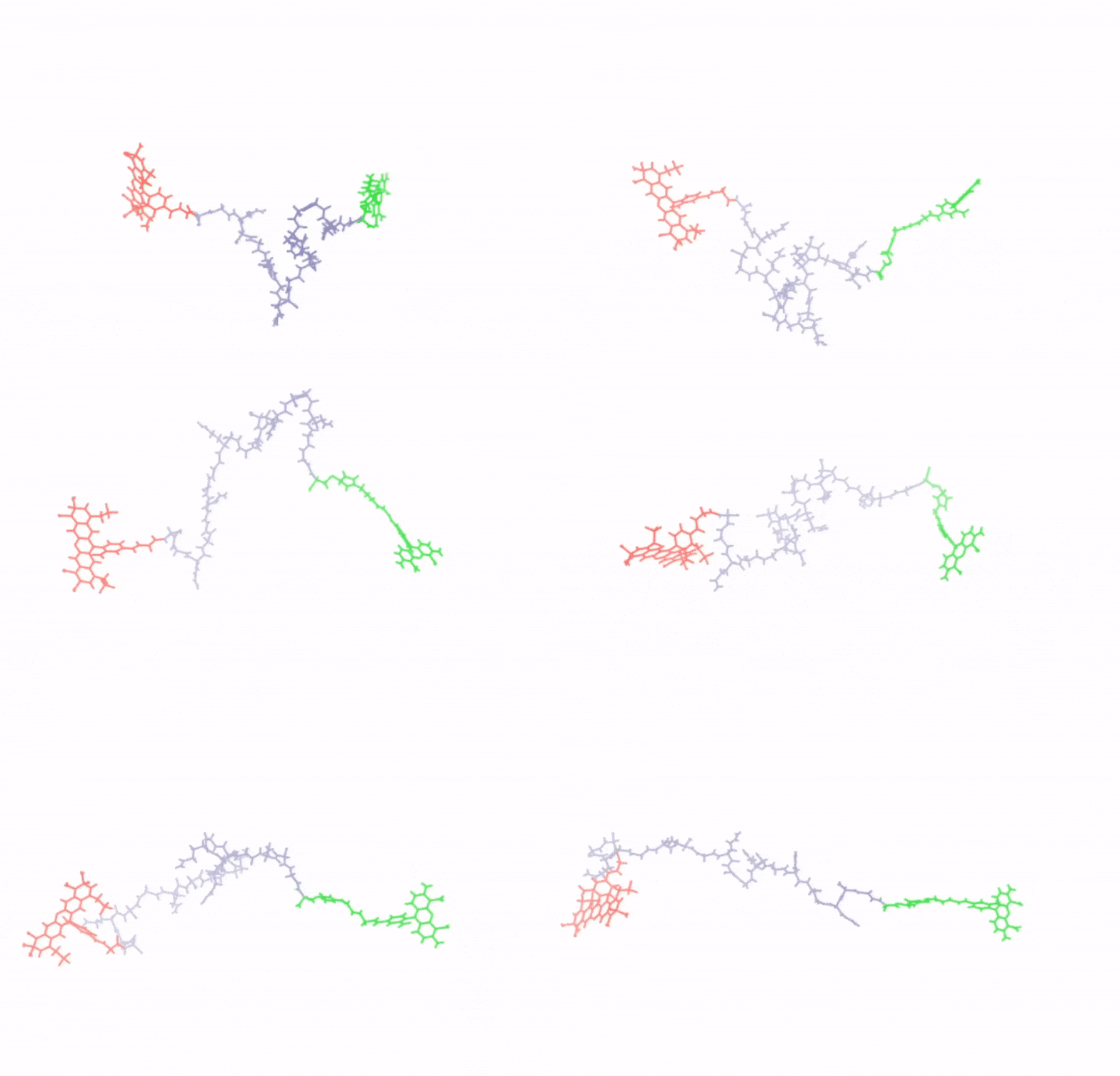
We work in experimental biophysics, focusing on single-molecule fluorescence. We combine this with meso- and macro-scale experiments to link molecular processes to emergent behavior, and we integrate computation and theory to interpret and extend our observations.
This lab led by Nicola Galvanetto opened in 2026 at the Institute of Structural Biology (IBS) in Grenoble. I'm currently setting up the lab and recruiting postdocs, PhD students, and Master's students. If you're excited by single-molecule experiments and quantitative biophysics, email me.